


Author(s) :
Petronela Rusu1, Leonard Dominic Rusu2, Cornelia Toganel2
1 Department of Radiation Oncology, Institute of Oncology “Prof. Dr. Ion Chiricuță” Cluj-Napoca, Romania
2 “George Emil Palade” University of Medicine, Pharmacy, Sciences, and Technology of Târgu Mureș, Romania
Corresponding author: Petronela Rusu, Email: petronelarusu@yahoo.com
Publication History: Received - , Revised - , Accepted - , Published Online - December 2021.
Copyright: © The author(s). Published by Casa Cărții de Știință.
User License: Creative Commons Attribution – NonCommercial (CC BY-NC)

 PDF
PDF
 Share
Share
Highlights
-
This case report presents a patient with stage IV lung adenocarcinoma who receives second-line nivolumab combined with hypofractionated palliative radiotherapy after progression on platinum-based chemotherapy, in the context of evidence from CheckMate 017 and CheckMate 057 supporting PD-1 inhibition in pretreated NSCLC.
-
Localized radiotherapy (20 Gy in 5 fractions) to a symptomatic rib metastasis is followed by nivolumab initiation three days later, with subsequent complete radiologic response of both irradiated and non-irradiated lesions.
-
The patient maintains a durable complete response with 36 months of progression-free survival and excellent tolerance to ongoing nivolumab, highlighting questions related to optimal sequencing, fractionation, and duration of immune checkpoint inhibitor therapy.
Abstract
Two randomized phase III studies provided cumulated long-term results, comparing second line treatment with Nivolumab versus Docetaxel in advanced non-small cell lung cancer (NSCLC). With the advent of modern immunotherapy (IO), the potential for even more immune activation by radiation therapy, inducing tumor specific immunity led to a novel role for radiotherapy in systemic disease.
This case proposes to evaluate the benefit of second line immunotherapy with Nivolumab, a PD-1 checkpoint inhibitor, and hypofractionated radiotherapy, in a patient with advanced oligometastatic adenocarcinoma of the lung, with progressive disease after first line chemotherapy, and the analysis of a possible abscopal effect. A 50-year-old male, heavy smoker with a 30 years-pack index, presented with a history of left posterior thoracic pain. MRI identified an osteolytic lesion on the 10th rib and CT scan showed an additional 25 mm nodule in the left upper lobe (LUL) and a 7 mm nodule in the left lower lobe (LLL). Atypical resections of the nodules and resection of the osteolytic lesion of the rib were performed. The pathological examination revealed a G2 adenocarcinoma of the lung (ALK and EGFR negative) pT4Nx pM1 with metastases in the rib and pleura, with unspecified margins. Chemotherapy was administered, with complete response on imaging after 6 cycles of Gemcitabine/Carboplatin, and hematologic toxicity. After 7 ½ months a regional and distant progression of the disease with metastases on the 7th and 10th rib was revealed on PET-CT. Palliative hypofractionated radiotherapy was administered to a dose of 20 Gy/ 5 fr to the painful 7th rib metastasis and the patient started second line treatment with Nivolumab, 240 mg iv q2wks. Three years later, at his last follow-up in Nov 2021, the patient maintains a (PET)-CT complete response, with no adverse events.
A possible abscopal effect may be suspected in this case.
Introduction:
Lung cancer is the most common cancer, with 2,206,771 new cases and 1,796,144 deaths reported in 2020 in both sexes and all ages (1). NSCLC represents 80% of all cases and 40% are at advanced stages (2).
In two phase III studies, CheckMate 017[3] and CheckMate 057 (4,5), Nivolumab, a programmed death-1 (PD-1) inhibitor antibody, improved overall survival (OS) versus (vs) Docetaxel, the standard second line treatment, in pretreated advanced NSCLC. Preclinical and clinical studies demonstrated the potential for even more immune activation by radiation therapy, inducing tumor specific immunity and immunogenic cell death, defining thus a new role for radiotherapy in systemic disease (6, 7, 8).
Case report:
The aim of this case study was to evaluate the benefit of second line immunotherapy with Nivolumab, a PD-1 checkpoint inhibitor, and palliative radiotherapy in a patient with stage IV adenocarcinoma of the lung with progressive disease after first line chemotherapy and also to investigatea possible abscopal effect.
The patient in our study is a 50-year-old male, heavy smoker with 30 pack-years index and 13 years of professional exposure to ore dust. The patient underwent gastric ulcer resection in 1994, and had a history of a left posterior thoracic pain from January 2017, with an Eastern Cooperative Oncology Group Performance Status (ECOG PS) of 1. In June 2017 an MRI identified an osteolytic lesion on the posterior arc of the 10th rib that was confirmed by CT scan (Fig.1). In addition, a 25 mm nodule in the LUL, with spicules towards the mediastinal pleura (Fig. 2) and a 7 mm nodule in the superior segment of the LLL, at the medial extremity of the interlobar cleft (Fig. 3). No pathological lymph nodes or signs of metastatic disease in the upper abdomen were detected. Resections of the nodules and resection of the osteolytic lesion of the rib were performed in August 2017.
The pathological examination revealed a G2 adenocarcinoma of the left lung, with positive immunohistochemistry for thyroid transcription factor (TTF1) and CK7 and negative for CK20 and Napsin A, pT4 (nodules in different lobes), pNx (no lymphadenectomy performed), pM1 (metastases in the rib and pleura), Rx (with unspecified margins). No EGFR mutations or an ALK translocation were found. At that time there was no opportunity for programmed cell death-ligand 1 (PD-L1) testing. Chemotherapy with Gemcitabine and Carboplatin was administered for 6 cycles between June 2017 and January 2018, with hematologic toxicity after the 2nd cycle, but prophylactic administration of growth factors ensured the completion of the next cycles according to the protocol. A complete response was confirmed on PET-CT in February 2018. (Fig. 4,5,6)
There was a debate whether to offer radiotherapy, the status of surgical resection margins was unknown. Further follow-up was decided taking into consideration the advanced stage IV, the surgery that had a rather exploratory and biopsy role and the presentation with no symptoms.
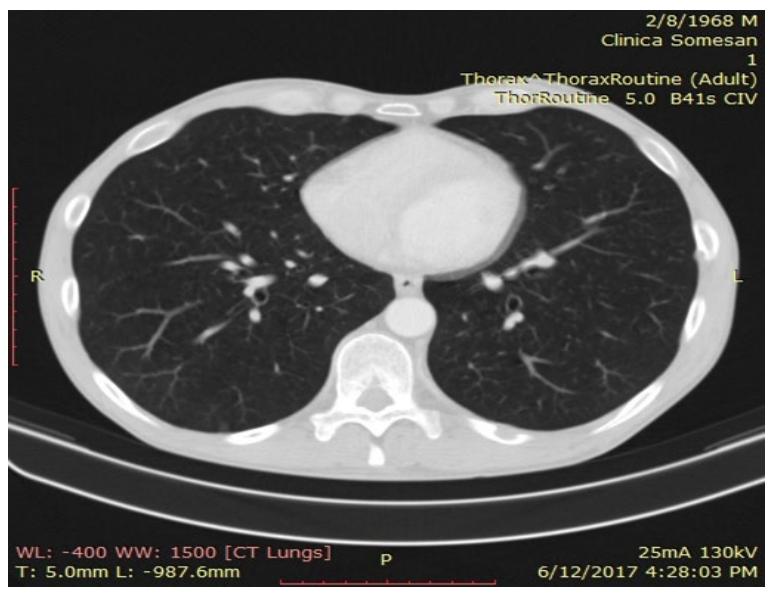
Figure 1: CT scan: Osteolytic lesion on the posterior region of the 10th rib
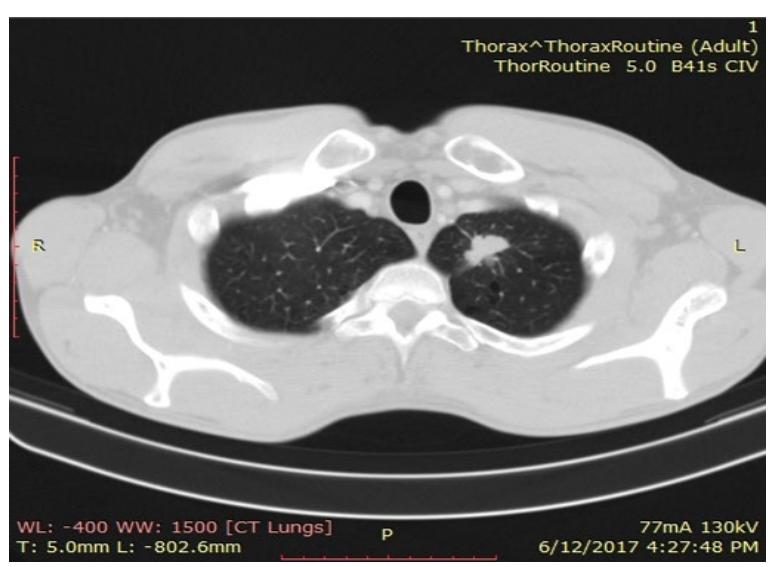
Figure 2: CT scan: a 25 mm nodule in the LUL, with spicules towards the mediastinal pleura
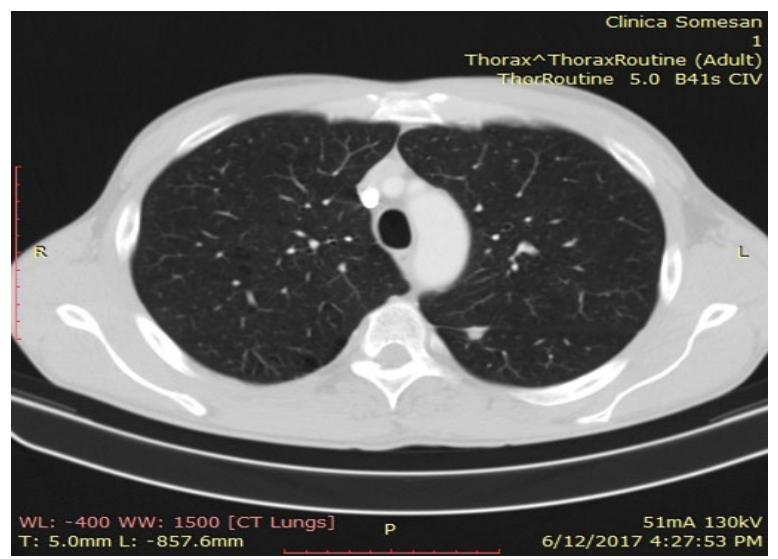
Figure 3: CT scan: a 7 mm nodule in the superior segment of the LLL
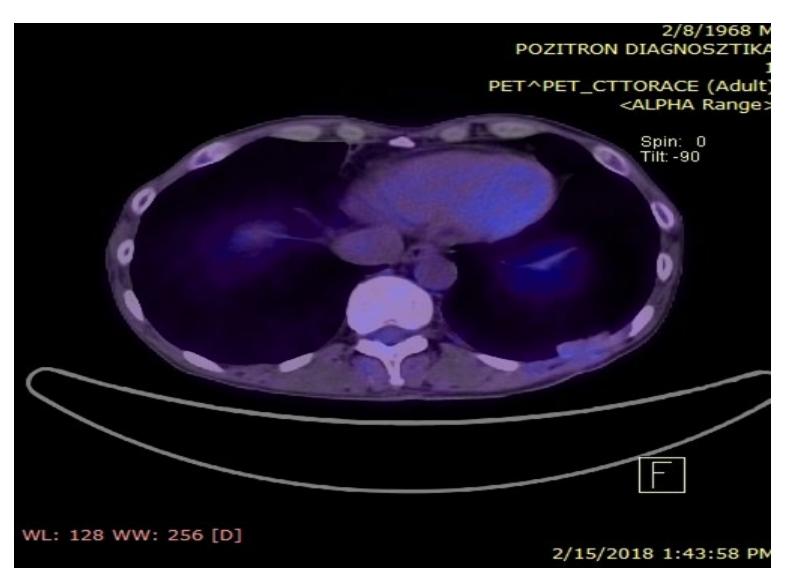
Figure 4: PET-CT (15.02.2018): Complete Response
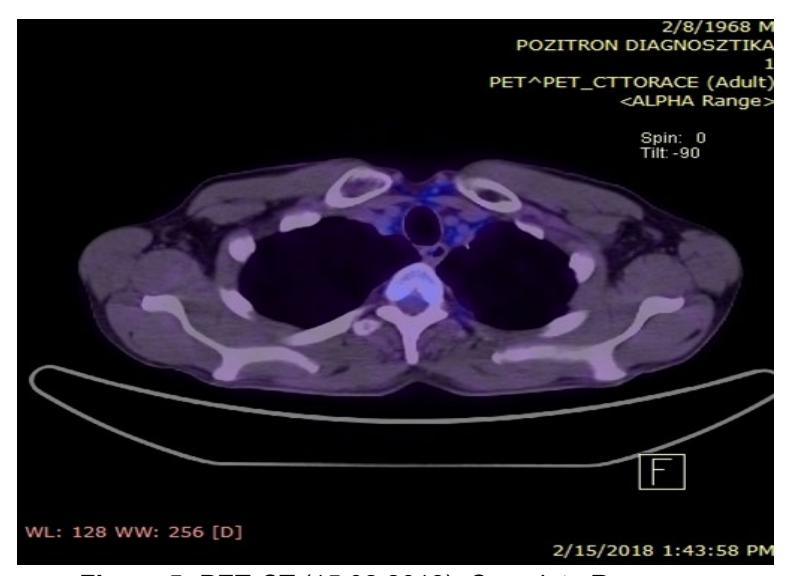
Figure 5: PET-CT (15.02.2018): Complete Response
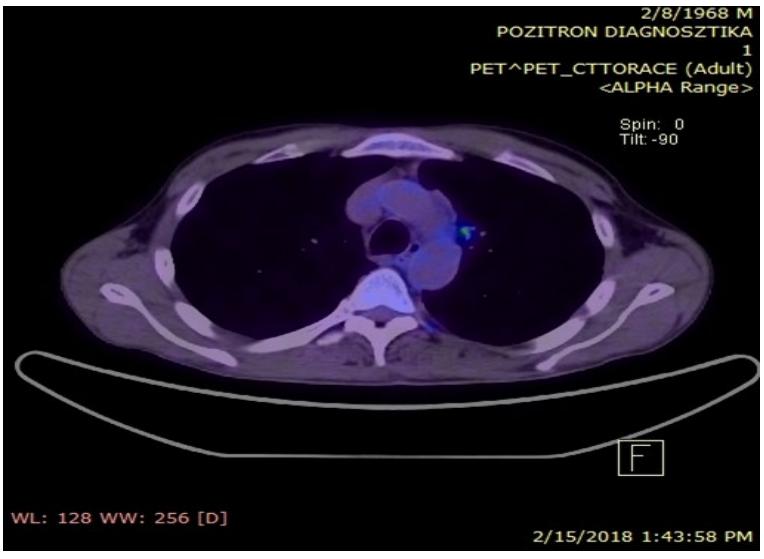
Figure 6: PET-CT (15.02.2018): Complete Response
A bone scan on 14.05.2018 showed no pathologic Technetium fixation. On August 2018 however, the follow-up CT scan raised suspicion and consequent PET-CT (28.09.18) revealed regional (2 new para-aortic nodules) and distant progression of the disease with metastases in the 7th and 10thleft ribs, with a standard uptake value varying between 10.7 – 14 (Figures 7,8).
Palliative hypofractionated radiotherapy was administered between 5-9.11.2018 to the painful metastasis of the 7th rib up to a total dose of 20Gy in 5 fractions, considering the patient’s good performance status. Immunotherapy with Nivolumab, 240 mg iv every two weeks was started on November 2018, since PD-L1 testing was not mandatory in the second line treatment. Because the patient became asymptomatic and the treatment was well tolerated, no further radiotherapy was warranted. Until the mid-November 2021 the patient received 77 cycles of Nivolumab with no adverse events, no pain, 4 kilograms weight-gain and a PS=1. A complete response was confirmed by CT scans after 10, 23, 54 and 65 cycles respectively, and by a PET-CT performed in November 2019, after 26 cycles (Figures 9,10). Still on nivolumab and without adverse events, the patient maintains a complete response on control CT, amounting to 36 months progression free survival from the initiation of immunotherapy.
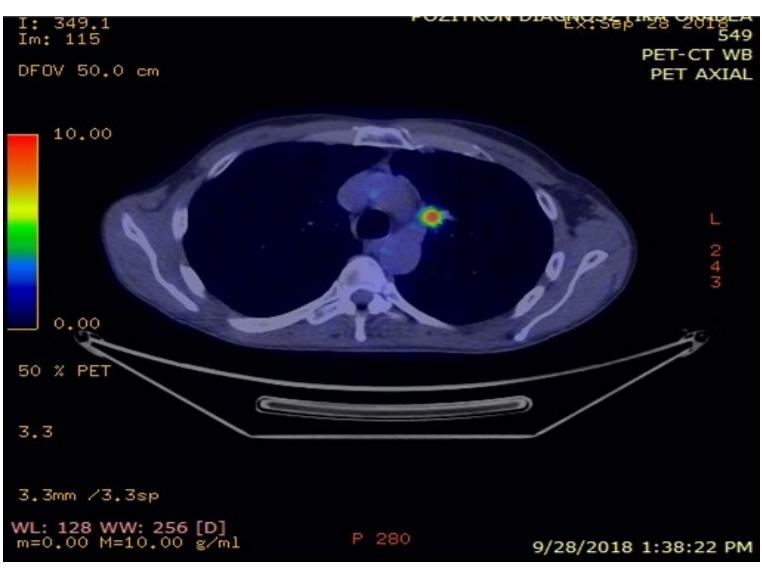
Figure 7: PET-CT: Para-aortic Nodule
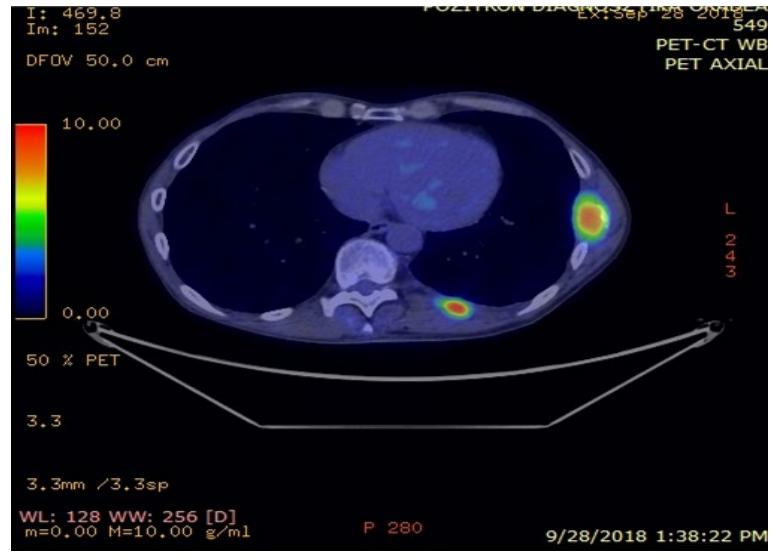
Figure 8: PET-CT: Metastases on the 7th and 10th ribs
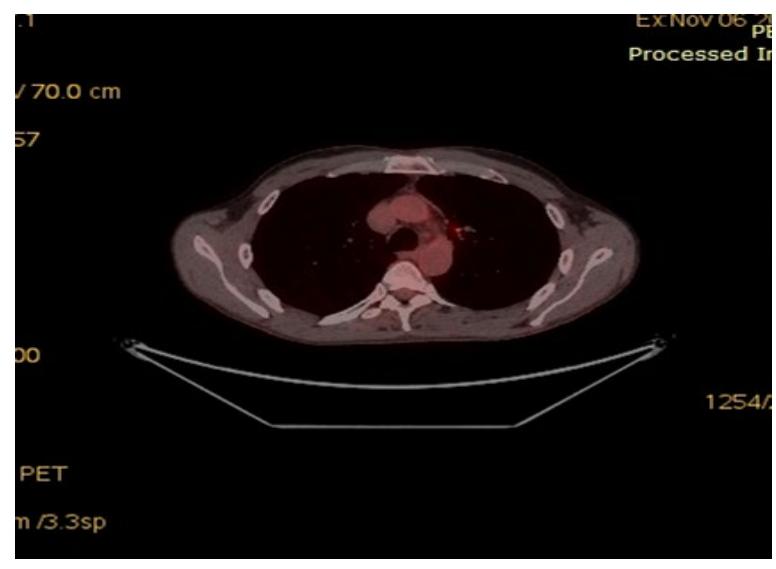
Figure 9: PET-CT: Complete Response
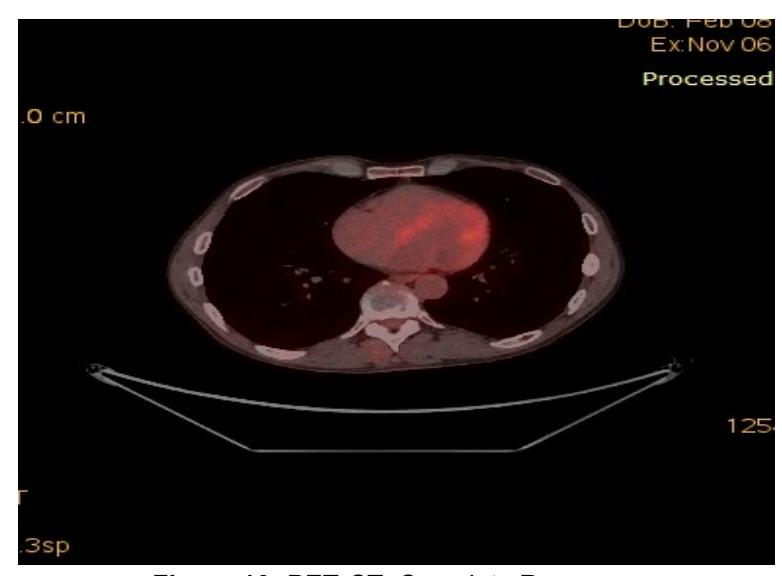
Figure 10: PET-CT: Complete Response
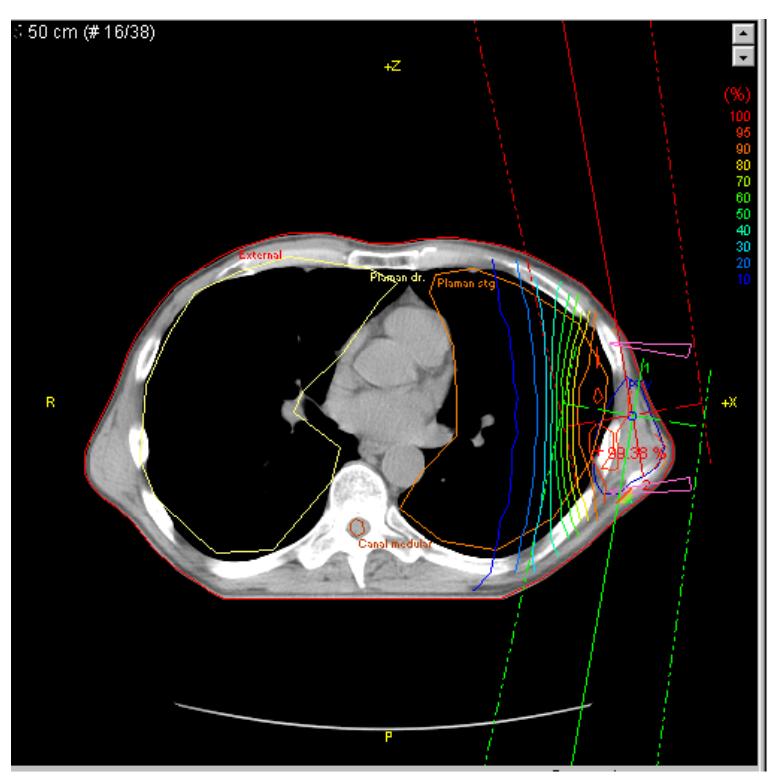
Figure 11: Radiotherapy Plan: 10% isodose dark blue
Discussion:
The hypofractionated radiotherapy of the symptomatic metastasis on the 7th rib combined after three days with immunotherapy, led to the disappearance of the regional lesions (two para-aortic lymph nodes) and the metastasis on the 10th rib, distant from the irradiated site, outside the 10% isodose, on the radiotherapy plan (Figure 11). This might be considered a possible abscopal effect. This is an interesting phenomenon in radiobiology, which, was first described for radiotherapy by Mole in 1953 and traditionally considered to be the regression as the regression of a non-irradiated metastatic lesions at a distance from the primary site of irradiation (7, 9, 10, 11).
The mechanism can be explained by radiotherapy enhancing immunogenic tumor cell death, by increased expression of immunogenic molecules on the tumor cell surface, including adhesion molecules, death receptors, stress-induced ligands, cryptic antigens, and stimulatory molecules such as MHC-I and CD80, thereby becoming more sensitive to T cell–mediated cytotoxicity. Additionally, in the microenvironment, pro-inflammatory molecules like chemokines, cytokines, danger signals are released, as well as tumor antigens.
This causes chemoattraction and infiltration by activated immune cells like dendritic cells, which, encapsulate and process tumor antigens that are presented to the naive CD8 T lymphocytes. These are also recruited, activated and suffer a clonal expansion, becoming able to recognize and destroy tumor cells not only in the irradiated field, but also in the non-irradiated sites too (6,7,8,11). Additionally, it seems that memory T lymphocytes are responsible for the immunological memory and the prolonged effect. It is hypothesized that such effects are due to a systemic antitumor immune response, being thus synergic with immunotherapy. On the other hand, radiotherapy can induce PD-L1expression on the tumor cells, inhibiting the immune cells, which, can be overcome by association of ICI, thus developing the era of radioimmunotherapy. Arguments for abscopal effect are the disappearance of para-aortic lesions and the metastasis on the 10th rib, outside the 10% isodose, while irradiating only the metastasis on the 7th rib. However, considering the sequence and short interval of three days between irradiation and the initiation of nivolumab, the effects are synergic and overlapping. There is evidence of the mutual enhancement present in combination of radiotherapy with immunotherapy, so the concept of abscopal effect has been extended to the activation of the immune system in radioimmunotherapy (12).
Different doses, fractionations of radiotherapy and sequencing with immunotherapy have been tested in preclinical and clinical studies to evaluate the optimal regimen to obtain the best possible results. Higher doses like 5Gy, or 8Gy per fraction, but not too high (20Gy per fraction), are impacting recruitment of immunogenic cells in the tumor, while concurrent administration with immunotherapy seems to be more effective than sequential. Moreover, as the peak of PD-1 upregulation can occur 4-6 days after irradiation, this interval is suggested to be the ideal timing between radiotherapy and immunotherapy (8, 11, 12, 13).Thus, the hypofractionation regimen was chosen as 4 fractions of 5Gy, in a patient with good PS, with good symptom and disease control, while combining immunotherapy after 3 days. This resulted in a durable complete response without the need for further radiotherapy. It is important to mention that before the era of ICI there was a tendency to recommend the irradiation of all oligometastatic sites in advanced NSCLC (14, 15).
Two phase III studies Check Mate 017 (3) and CheckMate 057 (4,5), obtained improved overall survival (OS) with nivolumab versus (vs) docetaxel obtaining a 5-yearsurvival rate of 12.3% vs 3.6% and 14% vs 2.1% respectively. The pooled analysis of the studies obtained 3-yearsurvival results of 17% vs 8% in the population with squamous and non-squamous NSCLC (16). The 5-year survival rates were 13,4% vs 2.6% and progression free survival of 8% vs 0%. ORR was 19.7% vs 11.2%. Notable was the long duration of response, achieving at 5 years 32.2% vs 0%. Patients without progression after 2, 3 or 4 years, have a probability of 82%, 93% and 100% respectively to be alive at 5 years (17). Thus, the most important question is the duration of treatment with nivolumab, whether to stop treatment after achieving complete response or to continue for two, three, or even four years, considering the higher chance of survival if there is no disease progression. Another option is to continue as maintenance treatment, as long as there is a clinical benefit without adverse events.
The first randomized study to evaluate duration of therapy with a PD-1/PD-L1 inhibitor was the CheckMate 153 trial (18) which, enrolled 1245 patients. Before one year of treatment, 1025 patients discontinued immunotherapy with nivolumab, due to progression, death, study withdrawal, toxicity, or other reasons. At one year, 220 patients remained on treatment and were randomized for continuation versus discontinuation of nivolumab. With minimum post-random assignment follow-up of 13.5 months, median PFS was longer with continuous versus 1-year fixed-duration treatment, obtaining 24.7 months vs 9.4 months, hazard ratio [HR], 0.56 [95% CI, 0.37 to 0.84]. Median overall survival from random assignment was longer with continuous versus 1-year fixed-duration treatment. The frequency of treatment-related adverse events was numerically higher with continuous vs 1-year treatment, but overall, few new-onset events occurred after 1 year. The authors concluded that a survival benefit was observed when nivolumab was continued beyond 1 year compared with a 1-year fixed duration treatment, and a tolerable safety profile was maintained with the longer treatment duration.
Conclusions:
We would like to emphasize the synergic effect of hypofractionated radiotherapy, in combination with nivolumab, in the second line treatment of a patient with stage IV ade- nocarcinoma of the lung. We note a long-term complete response on imaging and 36 months of progression free survival, from the initiation of immunotherapy. A possible abscopal effect may be suspected in this case.
Further research should investigate optimal radiotherapy parameters, optimal duration of treatment with PD-1/PD-L1 inhibitors, and the sequencing of the therapies.
Abbreviations:
NSCLC – non-small cell lung cancer
IO – immunotherapy
LUL – left upper lobe
LLL – left lower lobe ICI
ICI – immune check- point inhibitor
OS – overall survival
vs – versus
TTF1 – thyroid transcription factor 1
PD-1/PDL-1 – programmed cell death protein 1/ programmed cell death-ligand 1
ECOG PS – Eastern Cooperative Oncology Group Performance Status
EGFR – epidermal growth factor receptor
ALK – anaplastic lymphoma kinase
PS – performance status
Statements:
Previous publication: We declare that this paper was not published nor was submitted to be reviewed for publication in another journal.
Conflict of interest: We declare having no competing interests associated with this publication.
Funding Sources: This research did not receive any specific grant from funding agencies in the public, commercial, or not-for-profit sector.
References:
- Sung H, Ferlay J, Siegel RL, Laversanne M, Soerjomataram I, Jemal A, Bray F. Global Cancer Statistics 2020: GLOBOCAN Estimates of Incidence and Mortality Worldwide for 36 Cancers in 185 Countries. CA Cancer J Clin. 2021 May;71(3):209-249. doi: 10.3322/caac.21660. Epub 2021 Feb 4
- J Cassidy, D Bisset, R A J Spence et al. Oxford handbook of Oncology. OXFORD University press 4th edition 2015, Lung Cancer:238-260
- Julie Brahmer, Karen L. Reckamp, Paul Baas, et al. Nivolumab versus Docetaxel in Advanced Squamous-Cell Non–Small-Cell Lung Cancer. N Engl J Med July 9, 2015; 373:123-135.
- Luis Paz-Ares, Leora Horn, Hossein Borghaei Phase III, randomized trial (CheckMate 057) of nivolumab (NIVO) versus docetaxel (DOC) in advanced non-squamous cell (non-SQ) non-small cell lung cancer (NSCLC), JCO, 2015volume 33 supl18.
- Luis Paz-Ares , Leora Horn , Hossein Borghaei et al. Nivolumab versus Docetaxel in Advanced Nonsquamous Non–Small-Cell Lung Cancer. N Engl J Med 22 Oct 2015; 373:1627-1639
- Guido Kroemer, Lorenzo Galluzzi, Oliver Kepp. Immunogenic cell death in cancer therapy.Ann Rev Immunolog 2013 31:51-72.
- Sandra Demaria, Nina Bhardwaj, William H. McBride et al. Combining radiotherapy and immunotherapy: a revived partnership. IJROBP.2005 Nov 1:63(3): 655-666
- Benjamin Frey, Michael Ruckert, julia Weber et al. Hypofractionated irradiation has Immune stimulatory Potential and induces timely restricted infiltration of immune cells in colon cancer tumors. Front Immunol.2017;8:231
- RH Mole. Whole body irradiation; radiobiology or medicine? Br J Radiol. 1953, 26:234-241.
- MelekTugce Yilmaz, AysenurElmali, GozdeYazici. Abscopal Effect from Myth to Reality: From Radiation Oncologists’ Perspectives January 09,2019, Cureus 11 (1): e3860.DOI 10.7759/cureus.3860
- Maria E Rodriguez-Ruiz, Claire Vanpouille-Box, Ignacio Melero et al Immunological mechanisms responsible for radiation induced abscopal effect. Trends Immunol.2018 aug 39 (8) 644-655
- Ashrafizadeh M, Farhood B, Eleojo Musa A, Taeb S, Rezaeyan A, Najafi M. Abscopal effect in radioimmunotherapy. Int Immunopharmacol. 2020 Aug;85:106663. doi: 10.1016/j.intimp.2020.106663. Epub 2020 Jun 7
- Simon J Dovedi , Amy L Adlard, Grazyna Lipowska-Bhalla et al.Acquired resistance to fractionated radiotherapy can be overcome by concurrent PD-L1 blockade. Cancer ResearcheOct 1;74(19):5458-68.
- Nora Sundahl, Yolande Lievens. Radiotherapy for oligometastatic non-small cell lung cancer: a narrative review. Transl Lung Cancer Res 2021;10(7):3420-3431
- Stephanie T. H. Peeters,, Evert J. Van Limbergen, Lizza E. L. Hendriks et al. Radiation for Oligometastatic Lung Cancer in the Era of Immunotherapy: What Do We (Need to) Know? Cancers 2021, 13, 2132
- Vokes EE, Ready N, Felip E et al. Nivolumab versus docetaxel in previously treated advanced non-smallcell lung cancer (CheckMate 017 and CheckMate 057): 3-year update and outcomes in patients with liver metastases. Ann Oncol. 2018 Apr 1;29(4), 959-965
- Borghaei H, Gettinger S, Vokes EE, Chow LQM, Burgio MA et al. Five-Year Outcomes From the Randomized, Phase III Trials CheckMate 017 and 057: Nivolumab Versus Docetaxel in Previously Treated Non-Small-Cell Lung Cancer. J Clin Oncol. 2021 Mar 1;39(7):723-733. doi: 10.1200/JCO.20.01605. Epub 2021 Jan 15
- D M. Waterhouse, E B Garon, J Chandler et al. Continous versus 1-year fixed-duration Nivolumab in Previously treated advanced Non-Small-cell Lung Cancer: Checkmate 153.JCO. 2020 published online sept 10, PMID:32910710.
