


Author(s) :
Claudia Burz1,2
1Oncology Institute “Ion Chiricuță” Cluj Napoca, Romania
2University of Medicine and Pharmacy ‘Iuliu Hatieganu” Cluj Napoca, Romania
Corresponding author: Claudia Burz, Email: claudia.burz@yahoo.fr
Publication History: Received - , Revised - , Accepted - , Published Online - 2021.
Copyright: © The author(s). Published by Casa Cărții de Știință.
User License: Creative Commons Attribution – NonCommercial (CC BY-NC)

 PDF
PDF
 Share
Share
Highlights
-
Prof. Dr. Ioana Berindan Neagoe coordinates Functional Genomics and Experimental Pathology in Cluj-Napoca and builds international training and collaborations (Europe and U.S.) around translational oncology and functional genomics.
-
Her lab studies genome and transcriptome regulation daily—coding and non-coding gene expression, signaling pathways, and mechanisms driving malignant phenotypes—while screening new therapeutic agents and drug repurposing options.
-
A major research focus targets non-coding RNAs (e.g., miRNAs, lncRNAs and other small RNAs), especially their biomarker potential in tissue vs. plasma/serum, supported by bioinformatics for prediction and validation.
-
There are some structural barriers in Romania—limited research funding and a shortage of trained researchers (junior and senior), plus brain drain—affecting protocol rigor, output, and the pace of closing the gap with Western European centers.
Abstract
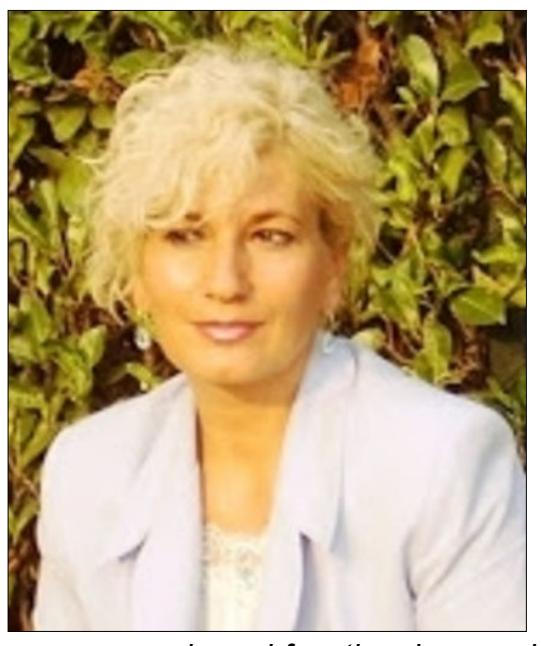
Prof. Dr. Ioana Berindan Neagoe is the coordinator of the Department of Functional Genomics and Experimental Pathology (Oncology Institute of Cluj-Napoca). She graduated the University of Medicine and Pharmacy of Cluj-Napoca and has also been trained in France (IGR Villejuif, Orleans), Belgium (Ghent) and USA (San Francisco and Boston).
She has been a member in international (FP6 – Eurocan Plus) and several national projects on genomics determinations by quantitative PCR and microarray.
Professor Berindan Neagoe has been collaborating in many national and international scientific projects on: angiogenesis RNA interference for malignant tumor therapy, molecular profiling of breast malignancies, pharmacogenomic and functional genomics screening, the role of transcriptomics in ovary, breast, prostate, and cervical cancers angiogenesis; screening tests in cervical cancer (HPV) and breast, cancers early detection, biomarker developments in bcr-abl induced leukemia and anthracyclines treatment in breast cancer. She is also the coordinator of a biobase for in vivo studies on laboratory animals for pharmacokinetics, pharmacogenomics and medical biotechnology (nanotechnology).
In your opinion where we can place the scientific research in the field of oncology in Romania?
During the last three decades, important achievements were made in science everywhere, including in our country. Among other serious diseases, cancer remains an important threat for the citizens of our country, In Romania a lot of patients present to the doctor with late-stage cancers making their treatment difficult and, therefore, many times, they have limited survival options.
From a researcher’s perspective, nowadays, translational oncology has progressed a lot and there are countless research opportunities. In the last two decades we learned a lot about the human genome, in general, and about malignant tumors in individual patients, in particular, the role of mutations and translocations in cancer progression is better and better understood. With more than 25.000 genes “concerting” together in physiological harmony, only few mutations have been proven to play a significant role in early carcinogenic events. A deeper knowledge of our genome has led us to discover tools and technologies that can be used for cancer diagnosis and treatment.
The functional genomics field is quite advanced today, and we have developed some research projects that allow us to look deeper into genome modifications. Level of expression of different coding or non-coding genes, signaling pathways, or complex fundamental mechanisms that lead to malignant phenotype validation are studied in my lab on a daily base. We are looking more and more for new therapeutic agents or drug repurposing, that can improve patients’ survival and quality of life.
One of our country’s significant limitations is the amount of research funding, an important obstacle for developing basic research projects, which are expensive
What are the fields of interest in your research?
In cancer research, Cluj-Napoca is very well positioned at the national level, with several excellent laboratories and research departments. Our goal is to be able to make someday discoveries that will improve patients’ lives. We are exploring new fields of research related to the role of non-coding RNAs (miRNAs, lncRNA, piwi, snoRNAs, i.e.), and many of our own studies and Ph.D. student’s theses are focused on this domain. We believe that we are only starting to discover the amazing properties of these tiny molecules able to target hundreds of coding genes at the same time. Their role in diagnostic and therapy for cancer patients is only the tip of the “iceberg.” One of our primary interests is to define when and which microRNAs have similar expression levels in tissue and plasma/serum, and can be used as biomarkers. Important tools to be used in our research are bioinformatic tools that may help predict and validate potential biomarkers.
As we collaborate with several clinicians in Romania and abroad, we have been also developing translational research studies. The concept is “from bed to bench to bed” in identifying specific genome changes that could be candidates for therapy. A new approach in personalized medicine is related to specific mutations, epigenetic modifications, or transcriptomic irregularities for specific genes that affect their translational products, the proteins, and crucial mechanisms and signaling pathways that determine cancer to spread, invade and metastasize.
We have developed important international collaborations and we are currently involved in excellent cancer research studies. Some of our current projects are developed with our European collaborators (Italy, Czech Republic, Austria, France, UK). We continue our collaboration started many years ago with MD Anderson Cancer Center and other US centers.
Which should be our focus on short and middle term in cancer research?
The main problem in research in the medical field is the lack of trained people. Not only young scientists but also experienced people that have the know-how on what is required for fundamental research that may lead to breakthrough discoveries are lacking. Rigorous step by step research protocols that can be followed in order to achieve excellent results are lacking in our field. Many excellent minds have left Romania and other countries benefit from their knowledge. On the other hand, many young graduate students apply for Ph.D. positions abroad, which are excellent opportunities for them, as they can learn a lot in other research centers. Unfortunately, many of them are not coming back. So, we lack, both experienced senior researchers and young researchers, and this is reflected by the number and quality of publications and results obtained in our field.
Of course, important steps have been made in the last decades, and we are far advanced compared to where we were 30 years ago. However, if we compare ourselves with our neighbors or with our Western European countries there is still a lot of work to do and many steps to be taken in order to close the gap between us and them.