


Author(s) :
Monica Emilia Chirilă1, Doru Paul2
1Amethyst Radiotherapy Centre, Cluj-Napoca, Romania
2Weill Cornell Medical College, New York, USA
Corresponding author: Monica Emilia Chirilă, Email: monica.emilia.chirila@gmail.com
Publication History: Received - , Revised - , Accepted - , Published Online - 2021.
Copyright: © The author(s). Published by Casa Cărții de Știință.
User License: Creative Commons Attribution – NonCommercial (CC BY-NC)

 PDF
PDF
 Share
Share
Highlights
-
A non-linear global career shaped by challenge: Prof. Dan G. Duda describes how training and research experiences across Europe, Asia (Japan), and the U.S. transformed an initially clinical path into a long-term commitment to translational oncology and tumor biology.
-
Translational liver cancer program focused on durable responses: His research integrates mechanistic discovery with clinically relevant validation, aiming to overcome treatment resistance through rational combinations (anti-angiogenic, antifibrotic, radiotherapy approaches) alongside immunotherapy in advanced liver cancers.
-
Mechanistic rationale for anti-angiogenesis + immunotherapy: He explains how vascular normalization and chemokine-driven intratumoral T-cell infiltration (e.g., CXCL10 induction with regorafenib at optimized dosing) can enhance checkpoint inhibitor activity—supporting ongoing and future combinatorial clinical strategies in HCC.
-
Metastasis as “seeds traveling with their soil” + biomarker-driven patient selection: Building on the “seed and soil” concept, his work showed stromal “passenger” cells can accompany metastatic cancer cells and may represent future therapeutic targets; in parallel, biomarker efforts (e.g., plasma HGF) are positioned to refine radiotherapy safety and selection in liver cancer trials.
Abstract
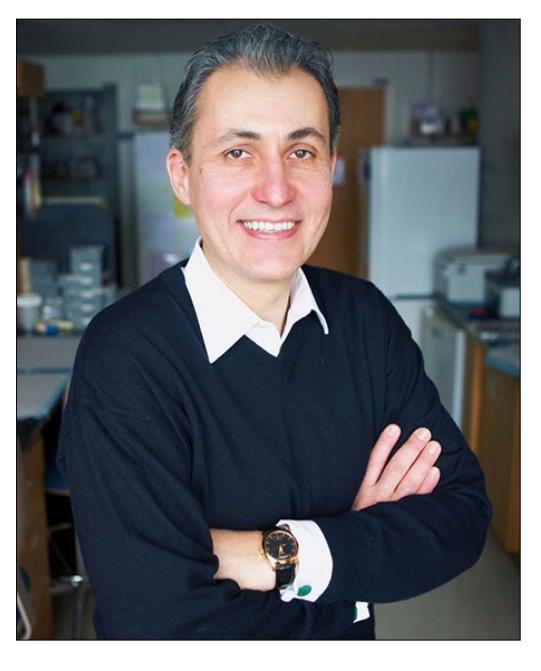
Professor Duda is an inspiring scientist from Harvard Medical School, Boston, USA. We invited him to share with us some thoughts on career development in science and on current oncology topics, his area of research interest.
He has authored over 240 publications so far, of which 140 are original reports, including in premiere basic research journals such as Nature, Nature Medicine, Nature Biotechnology, Nature Genetics, Nature Precision Oncology, Cell, Cancer Cell, Science Translational Medicine, Cancer Discovery, Gut, and Hepatology and clinical journals such as Journal of Clinical Oncology and JAMA Oncology. He is a Founding Editor of the journal Surgery, Gastroenterology and Oncology, a Senior Associate Editor of the International Journal of Radiation Oncology*Biology* Physics, and an Editorial Board member for several other journals, including Clinical & Translational Radiation Oncology, Journal of Hepatocellular Carcinoma and Cancers. He is a member of the US National Cancer Institute Hepatobiliary Task Force for Immuno-Oncology Biomarkers. As a passionate supporter of the IASGO’s mission to globalize the best medical practice and knowledge all over the world, he has been coordinating, teaching and directing Postgraduate Courses, Symposia and Congresses in 28 countries in Asia, Europe, Africa and the Americas, since 2013. Since 2015, he is Secretary General of IASGO.
For his work, Dr. Duda received multiple awards, including from the AACR, Cancer Research Institute, IASGO, and Massachusetts General Hospital. He was elected as an Honorary Member of the Academy of Medical Sciences of Romania in 2012 and was inducted into the College of Fellows of the American Institute for Medical and Biomedical Engineering, representing the top 2% of the most accomplished leaders in the fields of medical and biological engineering, in 2020.
You studied medicine on 3 continents: can you provide us a brief synopsis of your professional history?
I was inspired to pursue a medical career by my parents. Both of my parents were medical doctors, and both have excelled in their fields. My father pursued an academic career and was a Professor of Social Medicine at the University of Medicine and director of the Institute of Public Health in Iasi. My mother was a specialist in bacteriology. I remember my parents’ incredible dedication to the profession and their generosity to students and patients. So, I followed the same professional path that my parents have chosen – medicine. I graduated with a Dental Medical Doctor (DMD) in 1993 and practiced dentistry for four years. Then, I passed the examination for a junior lecturer position and resident physician in General Dentistry at the University of Medicine Iasi and worked there for two years until 1997.
In the summer of 1997, something really extraordinary and unexpected happened, which changed both my life and my career. A colleague and friend of mine, dr. Lucian Lozonschi – now a Professor and Chair of surgery at University of Florida School of Medicine – was working at that time as an intern in the First Department of Surgery at Tohoku University Hospital in Sendai, Japan. He suggested me to apply for a “Monbusho Scholarship” from the Japanese Government to pursue medical research at this leading Japanese University. I did so reluctantly, as my knowledge of the Japanese academic system, and of research in general, was quite limited. Fortunately, I was granted a 1-year and a half fellowship in Gastrointestinal Surgery at the Tohoku University School of Medicine. I will always be grateful to my friend Lucian and to Dr. Makoto Sunamura, who became my mentor for my fellowship and later, for my doctoral studies, for this opportunity.
Despite having to overcome a real “cultural shock”, this dramatic career change paid off in more ways than I can describe. In doing research in Japan, I quickly found my calling and I became really passionate about science. We were performing state-of-the-art experimental studies in the area of pancreatic and liver cancers. Key elements for my decision to become a scientist were the fascinating new opportunities for therapy that my mentor Dr. Sunamura was pursuing, the high level of interest for research in the First Department of Surgery, the great leadership of the department chair, Professor Seiki Matsuno, the excellent level of funding for research and, above all, the exceptionally gifted and friendly staff of surgeons, researchers and technicians. After the first 6 months, at the encouragement of my mentor Dr. Sunamura, I applied for admission into the PhD program and for an extension of my scholarship. This extension was granted in 1998, allowing me to pursue a PhD in cancer research.
I had a very pleasant and productive stay in Sendai for three and a half years until my PhD graduation in March of 2001. I still remember the excitement I felt when participating at my first congress of gastroenterology and surgery (the 1998 International Association of Pancreatology meeting in Tokyo), where I presented my first paper and received a Young Investigator Award. I was so excited to be able to interact with world-leading Japanese and American experts at that meeting! Because of Dr. Sunamura’s great connections with researchers in Japan and abroad, I was also able to conduct multiple projects in collaboration with international experts in cancer research, and as a result I published more than 10 papers during my doctoral studies.
Upon graduation, I received several offers to continue post-doctoral studies on the North American continent, and several were from Boston, the “Mecca of Science” in the USA. Similar to Japan, USA is a very unique country in many respects. The energy and human potential, the organization, the financial possibilities and research infrastructure, the governmental support for research, the experience, the ambition, and the tenacity of Americans are very hard to match. I was intimidated at first, but then I recognized the incredible opportunities, and I did everything I could do not to miss them.
In May of 2001, I joined the Steele Laboratories for Tumor Biology in the Department of Radiation Oncology at Massachusetts General Hospital and Harvard Medical School. I worked for three years as a Postdoctoral Research Fellow with Professor Rakesh. K. Jain, a world leader in tumor angiogenesis and an amazing mentor. I have been here for the last 20 years, joined the Harvard faculty in 2004, and rose through the ranks to Associate Professor of Tumor Biology in 2012, and Full Investigator and Director of Translational Research in 2016.
Thus, my career path has not been a very “conventional” one, but rather an unexpected “non-linear” evolution, which took me a full circle around the world. In fact, it was full of challenges, which I think motivated me and shaped my career development.
What is the field of research that you are most involved in and what are the factors that influenced your decision to follow this path?
Over the last decade and a half, I have built a productive Liver Cancer Research Program within the Steele Laboratories for Tumor Biology at Massachusetts General Hospital. The translational goal of this program is to increase the durability of response to the most effective available therapies. The approach is to identify new cellular and molecular mechanisms of local and metastatic tumor progression and treatment resistance and validate them as new targets for combination therapies for cancer.
To this end, my group is studying the activity of antiangiogenic drugs, antifibrotic drugs or radiotherapy approaches in combination with immunotherapy. In preclinical studies, we are employing models that reproduce the hallmarks of human cancers, that is, genetically engineered models of primary hepatocellular carcinoma (HCC) and cholangiocarcinoma, and metastatic pancreatic, breast and prostate carcinomas. In parallel, we are conducting correlative studies of biomarkers of response to the same approaches in clinical studies in cancer patients. My research efforts are currently supported by grants from Federal sources – US Department of Defense (DoD) and National Cancer Institute (NCI) – and from Research Foundations, and by agreements with Industry partners (Bayer, Exelixis and BMS).
What still motivates me to work hard every day is this unmet need in cancer treatment and my passion for research. I have always thought of research not as a job, but as a passion.
The success of using a combination of angiogenic inhibitors and check point inhibitors are amazing! Can you provide us the rational for this type of approach? What would be the next step in these types of studies? Would it make sense for example to add target agents to the antiangiogenic-immunotherapy regimen?
Absolutely, this combination is one of the most exciting approaches recently and has been already approved for five types of cancer, including for HCC. The “holy grail” of immunotherapy in treating solid cancers is to draw cancer-fighting T-cells inside the tumor. We recently found that an antiangiogenic drug, regorafenib, when delivered at the right intermediate dose tricks cancer cells into expressing a chemokine known as CXCL10 which, in turn, triggers intratumoral T-cell infiltration. HCC develops a rich new vasculature that feeds tumor progression. This vasculature is highly abnormal, which limits the recruitment and activity of effector T-cells. Anti-VEGFR inhibitors work to control that growth in part by normalizing tumor vasculature and increasing T-cell infiltration into tumors. The vascular normalization concept was first advanced by my mentor, Rakesh K. Jain in 2001. The dual treatment strategy has demonstrated in some clinical trials of HCC patients in whom response rates nearly doubled compared to the 15% to 20% who typically respond to anti-PD1 treatment alone.
Combination therapy has been a major advance for the field, but it still has limitations in treating liver cancer, as evidenced by the fact so many patients experience recurrence of the disease, even as they are living longer. To address treatment resistance, we suggested that an inhibitor that can target multiple kinases beyond VEGF receptors could be particularly effective. We were able to show that regorafenib has that unique capability when used at doses that induce both vascular normalization and increased expression of the chemokine CXCL10 in cancer cells. These intratumoral changes induce infiltration of T-cells into tumors where they can more effectively kill cancer cells. Our current goal is to translate this study by informing ongoing clinical trials of regorafenib in cancer patients. Of course, with increased understanding of this treatment interactions may come additional combinatorial strategies, some of which are currently being tested in my laboratory for their safety and efficacy using mouse models of HCC, with promising results. I hope we will report these findings very soon and take them into clinical trials.
What were your findings regarding the “seed and soil” theory of cancer metastasis? The idea that fibroblasts from the tumor accompany tumor cells and help forming the pre-metastatic niche in distal organs is striking. Did you follow this type of research? Are there any clinical studies exploiting this idea?
Since the publication of the seminal work of Paget on cancer metastasis more than a century ago, it has been widely accepted that metastatic “seeds” (cancer cells from the primary tumor) will only grow into a tumor nodule at metastatic sites in a congenial “soil” (tissue microenvironment). During my postdoctoral fellowship studies, I made the discovery that tumor stroma, and not just cancer cells, are “transplantable” and functional in a secondary host. This work was reported in Cancer Research in 2004. The discovery of transplantability of tumor stroma inspired me to perform a study of cancer metastasis, a somewhat analogous process in which cancer cells leave the primary tumor and grow in a secondary location. I asked the question whether stroma can travel together with the cancer cells during metastasis. To test my hypothesis, I developed sophisticated models of cancer metastasis in mice (described in Nature Protocols 2012) and showed that the “cancer seeds” can indeed bring along their own “soil” (“passenger” stromal cells) from the primary site. After 7 years of very challenging investigations, I was able to demonstrate that “passenger” stromal cells (including carcinomaassociated fibroblasts) can serve as a provisional stroma at the secondary site until the metastatic cancer cells recruit new stroma (Proceedings of the National Academy of Science of the USA 2010). Other investigators at the Massachusetts General Hospital Cancer Center later identified such clumps in the blood circulation of cancer patients using microfluidicharvesting devices. Our work showed that “metastatic stromal cells” are a potential target for anti-metastatic treatment. My article was featured in the “Editors’ Choice” section in Science in the December 24, 2010 issue, and cited in over 400 other publications. Unfortunately, there are currently no clinical trials, to my knowledge, testing agents targeting circulating tumor fragments or carcinoma-associated fibroblasts to prevent cancer metastasis. But I hope that our insights will open new directions of investigation for anti-metastatic therapy, which remains a major unmet need in Oncology.
How do you see the Radiotherapy use within the complex therapeutic approach of primary and secondary tumors of the liver?
I see it as a great promise which hopefully will be soon fulfilled. The majority of patients are not eligible for potentially curative treatments due to their poor baseline liver function or high tumor burden. For these patients, high-dose and short-course, hypofractionated radiotherapy, has become the fastest growing palliative treatment modality but its use is still limited by radiation-induced liver damage concerns and lack of level 1 evidence of efficacy. Our Massachusetts General Hospital Cancer Center team has recently completed a phase II study that evaluated proton-based therapy in liver cancers (NCT00976898). Study data showed excellent local control and promising survival rates and led to the ongoing randomized phase III study NRG-GI-003/NCT03186898 comparing two radiotherapy modalities: protons versus photons. My prior work identified pretreatment plasma hepatocyte growth factor (HGF) as a potential biomarker of patient’s susceptibility to radiation-induced liver damage, to allow patient selection for this potentially curative intervention in liver cancers. Plasma HGF is now being validated prospectively as an integrated biomarker of the phase III trial, with grant support through a US Department of Defense Impact Award.
Looking forward, the use of newer approaches, such as radiotherapy with carbon ions, which exhibit a higher linear energy transfer than photons and protons, and thus a higher relative biological effectiveness, as well as ultra-high dose rate (FLASH) radiotherapy, appears very intriguing. Studies of carbon ions performed in Germany and Japan has also shown very promising initial safety and efficacy results in liver cancers. Personally, I think that the next frontier is leveraging combination therapies in an advanced liver cancer setting to achieve cure or durable responses. My rationale is that a novel systemic therapy (immune checkpoint inhibition and potentially anti-angiogenesis) is most likely to deliver the greatest benefit in combination with radiotherapy. A fascinating yet still controversial mechanism is the so called “abscopal effect” of radiotherapy, that is induction of a response for lesions within and outside the irradiation field. If confirmed, this effect could create a unique opportunity for combinations of radiotherapy with immunotherapy-based regimens in advanced stages of liver cancers.
Which would be, in your view, the most promising use of biomarkers in Oncology?
After 20 years of research on biomarkers, my view on this topic has been evolving, along with the rapid changes in treatment paradigms. We worked a lot in the past on identifying predictive biomarkers for therapies that were marginally effective and only provided a few (2-3) months of survival benefit at great financial and toxicity costs. We have extensively published on these potential biomarkers. However, while some of these biomarkers are now widely used as pharmacodynamic biomarkers and one (plasma HGF) is prospectively being validated, the vast majority of them have not been taken into phase III trial for validation for many reasons. However, I would argue that those studies were important in providing unique insights into mechanisms of action and treatment resistance in the clinical setting. This has helped the design of combination therapies targeting treatment resistance and opened new avenues of basic and translational research.
The recent emergence of therapies which show very durable responses, albeit only in a fraction of patients, has redirected many research efforts toward identifying these “superresponders” and understanding resistance to interventions such as new immunotherapies and radiotherapies. While there is still a lot more work to be done, we have seen rapid advances in this area, largely due to concerted efforts by academic and industry research groups.
If a medical student or an Oncology resident would ask for advice from you, regarding the targets that he or she should aim for, what would you say?
We are fortunate to live in truly extraordinary times in medical sciences, where biological discoveries and technological advances occur at a faster pace than ever before. With them, they bring a multitude of new potential targets for therapy, specific to each cancer type and patient’s individual tumor. Discovery of many of these targets has led to unprecedented breakthroughs in cancer therapy in the last few years.
I would tell her or him the same thing I always tell my students and trainees. I would advise them to have a healthy skepticism but also be open-minded and optimistic about new approaches in Oncology. I would also highlight the continued need for translational research that could leverage the latest basic research discoveries into optimal therapies for patients.
There is no secret solution for advancing an academic career in Oncology. It takes passion and hard work, and rigorous, persistent, and generous efforts. It also takes good and visionary mentorship. With these ingredients, and perhaps with a bit of luck, there is nothing they could not achieve.